The following are the thirty most commercially successful songs in the history of the Billboard Hot 100 chart, which was started in 1958, that center around the theme of heartbreak. The Hot 100 is the standard for measuring success in the United States music industry and ranks the 100 most popular songs every week by accounting for radio audience, digital and physical sales, and online streams. The list of songs is adapted from Heartbreak Hits: Top 30 Breakup Songs published by Billboard Staff and is listed in chronological order of release. Links to the song’s music video and lyrics can be found by clicking the word “here” in red.
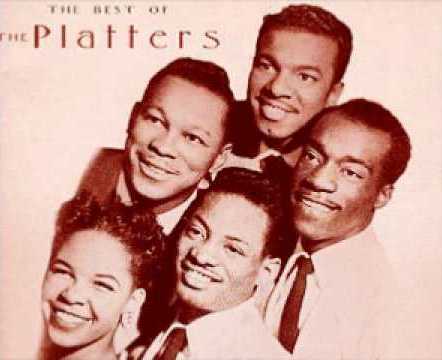
“Smoke Gets In Your Eyes” (1958) The Platters
Song found here. Lyrics found here. Chart history: Peaked at #1 on 1/19/1959.
Summary: Written for the musical Roberta in 1933, “Smoke Gets In Your Eyes” is an adaptation by the rock-and-roll vocal group the Platters. In the song, the vocalist sings of being told that “All who love are blind, when your heart’s on fire, you must realize smoke gets in your eyes” and discovering the truth of that statement when his lover leaves him.
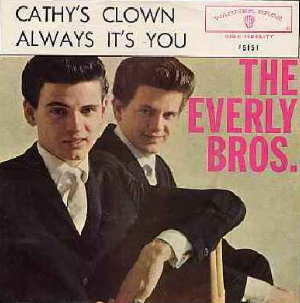
“Cathy’s Clown” (1960) The Everly Brothers
Song found here. Lyrics found here. Chart history: Peaked at #1 on 5/23/1960.
Summary: “Cathy’s Clown” was written and performed by rock duo the Everly Brothers. The short song tells the story of seeing an ex-lover Cathy with a new man and dubbing him a clown: “I die each time I hear this sound. Here he comes, that’s Cathy’s clown.”
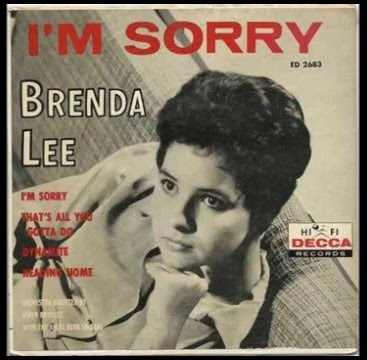
“I’m Sorry” (1960) Brenda Lee
Song found here. Lyrics found here. Chart history: Peaked at #1 on 7/8/1960.
Summary: At only 15, the lover resonated with mass audiences with her apologetic tune about being a fool to her former lover: “Please accept my apology but love is blind and I was too blind to see.”
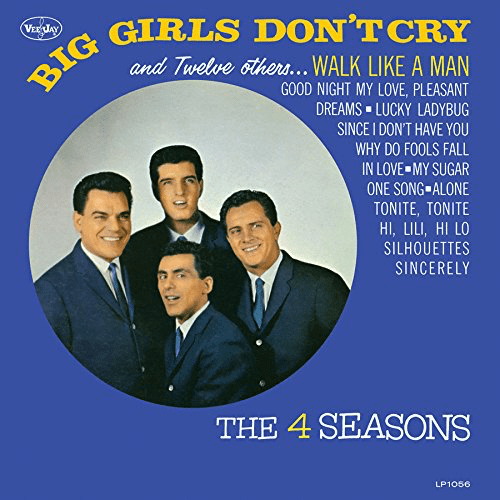
“Big Girls Don’t Cry” (1962) The Four Seasons
Song found here. Lyrics found here. Chart history: Peaked at #1 on 11/17/1962.
Summary: In this falsetto-dominated song by the doo-wop group, the singer says that he ended a relationship and expected to be met with rebuke, but the woman instead told him that “big girls don’t cry.”
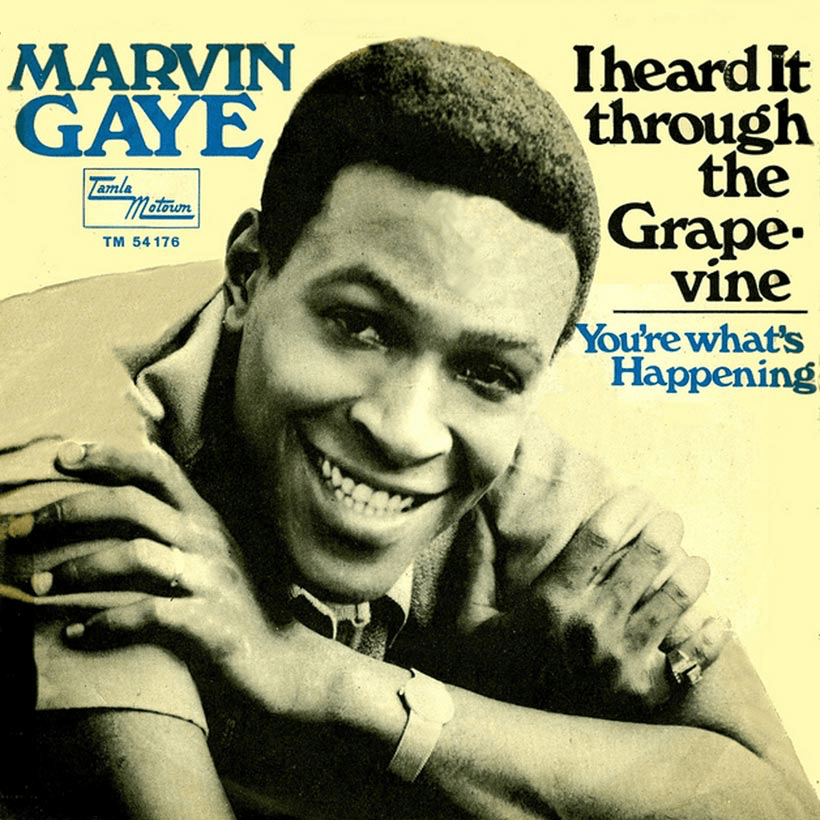
“I Heard It Through The Grapevine” (1968) Marvin Gaye
Song found here. Lyrics found here. Chart history: Peaked at #1 on 12/14/1968.
Summary: In this song, Marvin Gaye sings that he heard from an outside source that his lover is in love with another man, and expresses his fear of their relationship ending by singing “I know a man ain’t supposed to cry but these tears I can’t hold inside, losing you would end my life you see.”
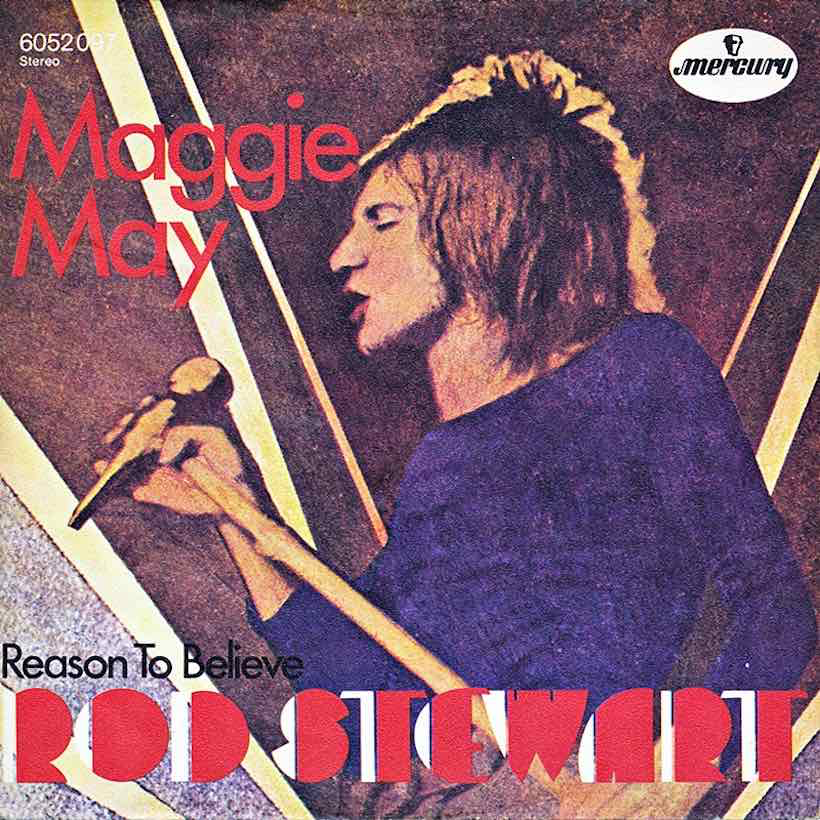
“Maggie May” (1971) Rod Stewart
Song found here. Lyrics found here. Chart history: Peaked at #1 on 10/2/1971.
Summary: In this rock song, Stewart sings to Maggie, who is an older woman that uses the singer for sexual pleasure, while the singer is in love with Maggie and wishes that he was not, knowing that he has to get on with his life. Stewart sings that “he couldn’t have tried any more,” while Maggie stole his heart and soul. At the end, Stewart concludes, “Maggie, I wished I’d never seen your face.”
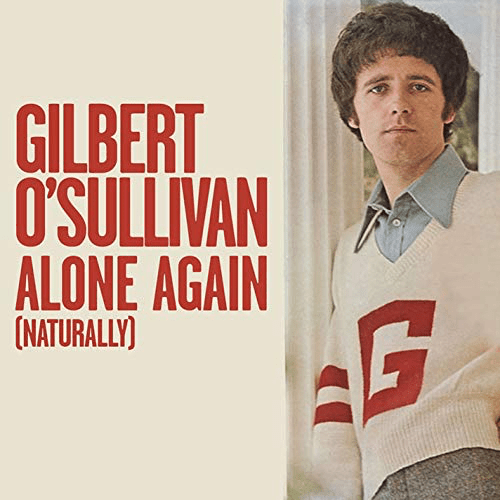
“Alone Again (Naturally)” (1972) Gilbert O’Sullivan
Song found here. Lyrics found here. Chart history: Peaked at #1 on 7/29/1972.
Summary: As the title notes, this song is a sad expression of feeling “alone again.” In the beginning of the song, the singer says that he is going to throw himself off a tower “in an effort to make it clear to whoever what it’s like when you’re shattered” after being left at the altar by his bride. He recalls how alone he felt when each of his parents died.
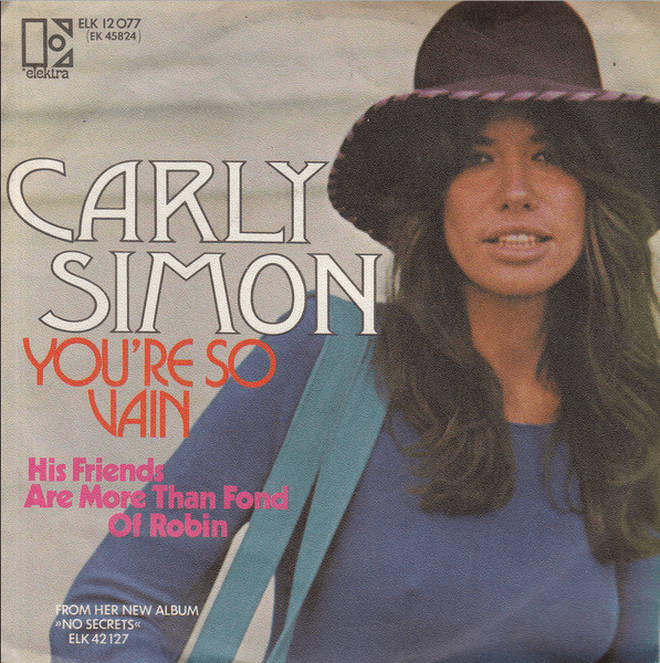
“You’re So Vain” (1972) Carly Simon
Song found here. Lyrics found here. Chart history: Peaked at #1 on 1/6/1973.
Summary: In this song, Carly Simon sings to a former lover that he is “so vain” that he probably thinks that she wrote this song about him. In telling the story of their romance, Simon sings that “you gave away the things you loved and one of them was me.” The sarcasm of the chorus is that she is obviously singing about him – she was left with unfulfilled dreams and now tracks his whereabouts – but characterizing him as self-obsessed makes him the bad guy.
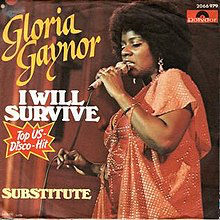
“I Will Survive” (1978) Gloria Gaynor
Song found here. Lyrics found here. Chart history: Peaked at #1 on 3/10/1979.
Summary: In this empowered anthem, Gloria Gaynor sings that when her lover left her, she was “petrified” that she could not live without him, but she eventually learned how to go on. After the breakup, she healed her emotional wounds: “I used to cry, but now I hold my head up high.”
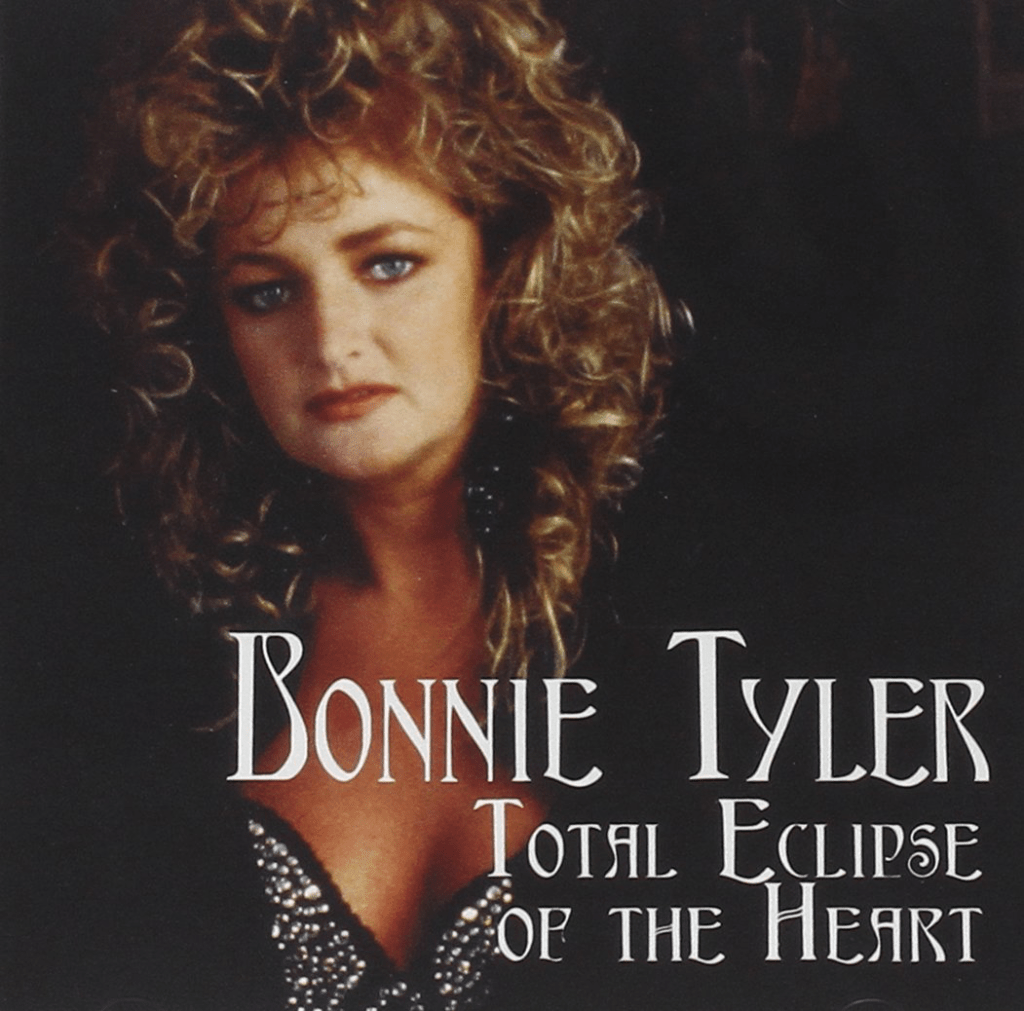
“Total Eclipse of the Heart” (1983) Bonnie Tyler
Song found here. Lyrics found here. Chart history: Peaked at #1 on 10/1/1983.
Summary: In this song, Bonnie Tyler sings about how “every now and then” she gets “a little bit” lonely, terrified, nervous, restless, helpless, and angry, and that she needs her lover to make her feel better. She needs the love to survive. At the end, she concludes: “once upon a time I was falling in love, now I’m only falling apart.”
“Every Breath You Take” (1983) The Police
Song found here. Lyrics found here. Chart history: Peaked at #1 on 7/9/1983.
Summary: In this song, Sting sings that he is watching every single thing that his ex-lover is doing. He confesses “Since you’ve gone I’ve been lost without a trace, I dream at night I can only see your face.” With such a desire to be with her, he commits to watching her from afar (or, to use the correct term, stalking her).
“Careless Whisper” (1985) Wham! Feat. George Michael
Song found here. Lyrics found here. Chart history: Peaked at #1 on 2/16/1985.
Summary: In this song, George Michael is singing about his guilt and sadness for cheating on his lover, which causes her to leave him. He sings of the life that they could have had together that is no longer possible and wishes that she would stay with him. At the end, he asks “Now that you’re gone, was what I did so wrong, so wrong that you had to leave me alone?”
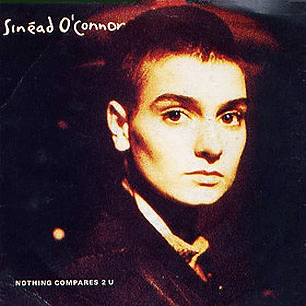
“Nothing Compares 2 U” (1990) Sinead O’Connor
Song found here. Lyrics found here. Chart history: Peaked at #1 on 4/21/1990.
Summary: The song begins with the lines “It’s been seven hours and fifteen days since you took your love away,” which expresses the message of the song, which is that O’Connor’s lover has left her with a broken heart. She has the freedom to do whatever she pleases, but she only wants to be with her former lover since nothing else can meet his level of perfection.
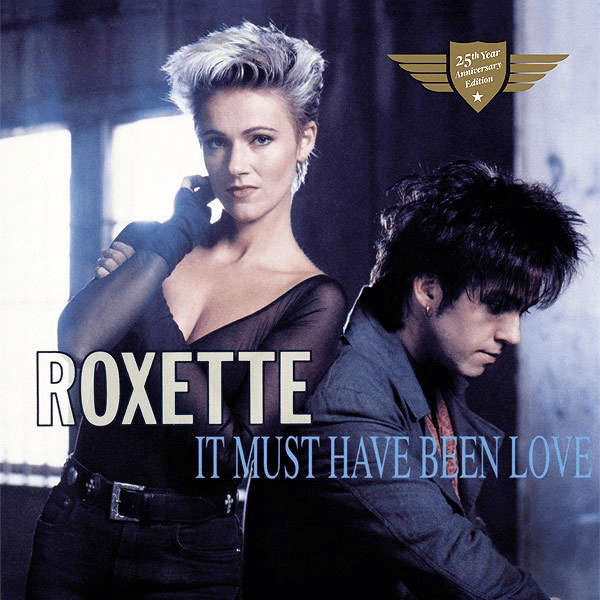
“It Must Have Been Love” (1990) Roxette
Song found here. Lyrics found here. Chart history: Peaked at #1 on 6/16/1990.
Summary: The song does not say much more than “It must have been love but it’s over now.” The singer expresses that losing her lover made her realize how much their relationship meant to her.
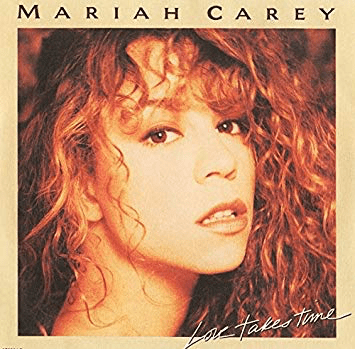
“Love Takes Time” (1990) Mariah Carey
Song found here. Lyrics found here. Chart history: Peaked at #1 on 11/10/1990.
Summary: Mariah Carey sings that she treated a lover poorly, so it is her fault that he left her. Now, she needs time to mend the wounds: “Love takes time to heal when you’re hurting so much.” She is alone in her pain and does not want to be.
 THE HISTORY OF EMOTIONS AND SENSES