Preface

What is my research question?

How has the way that people (Americans specifically) express heartbreak developed over the last 60 years? I intend to tackle this question by analyzing popular breakup songs in the US to trace some sort of history of heartbreak, as music can both mirror and determine the way that people respond emotionally to certain life experiences.

This gives rise to such questions as: Is heartbreak a universal emotional experience that remains unchanged throughout the course of history? Is it determined by the expected emotional response for our gender? How has the intersection of emotional expression and feminism altered the way women interpret heartbreak? And many more.

What are the complexities of this topic?

What exactly is heartbreak? In this project, I define heartbreak as the emotional response to the loss of a love / the end of a relationship. I am not referring to the pain associated with experiences such as: the end of a friendship, the death of a loved one, etc. I rather focus on the emotional expression at the end of a romance (in the way that modern western society has constructed: a monogamous relationship between two individuals that have an emotional and sexual connection).

What is the significance of using popular music? The songs that I will use as sources were the biggest commercial successes that thematically centered around a heartbreak. Because these songs were heard by the highest number of people at the time of their popularity, they gave millions of listeners content to relate to and instructions on how to process their emotions. Their status as blockbuster hits signifies that they were unavoidable for many listeners.

Can music even give us a window into a culture’s emotional expression? While the emotional content of songs does not necessarily represent the experience of every member of a group, success in music signifies that a large audience is able to resonate with the lyrics. However, there are obviously other aspects of songs (the appeal of the singer’s voice, the production, etc.) that contribute to its performance, so the lyrics are one of many reasons why listeners enjoy a song.

Is there significance outside of the lyrics? The songs that I analyze are a mix of genres and tempos: there is rock, pop, country, disco, hip-hop, slow ballads, fast-paced anthems, and everything in between. The style of the production of a song is essential to how it makes listeners feel, but the lyrics serve as a better tool for analyzing the emotional experience that a song encapsulates and how members of a group use language to understand their emotions.

Categories
Uncategorized

Sources 1-15

The following are the thirty most commercially successful songs in the history of the Billboard Hot 100 chart, which was started in 1958, that center around the theme of heartbreak. The Hot 100 is the standard for measuring success in the United States music industry and ranks the 100 most popular songs every week by accounting for radio audience, digital and physical sales, and online streams. The list of songs is adapted from Heartbreak Hits: Top 30 Breakup Songs published by Billboard Staff and is listed in chronological order of release. Links to the song’s music video and lyrics can be found by clicking the word “here” in red. 

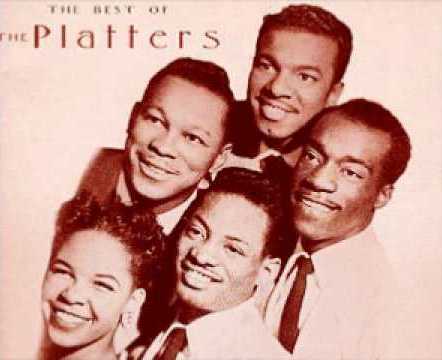
“Smoke Gets In Your Eyes” (1958) The Platters 

Song found here. Lyrics found here. Chart history: Peaked at #1 on 1/19/1959.

Summary: Written for the musical Roberta in 1933, “Smoke Gets In Your Eyes” is an adaptation by the rock-and-roll vocal group the Platters. In the song, the vocalist sings of being told that “All who love are blind, when your heart’s on fire, you must realize smoke gets in your eyes” and discovering the truth of that statement when his lover leaves him.

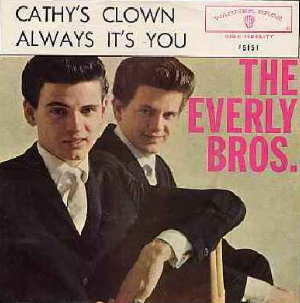
“Cathy’s Clown” (1960) The Everly Brothers 

Song found here. Lyrics found here. Chart history: Peaked at #1 on 5/23/1960.

Summary: “Cathy’s Clown” was written and performed by rock duo the Everly Brothers. The short song tells the story of seeing an ex-lover Cathy with a new man and dubbing him a clown: “I die each time I hear this sound. Here he comes, that’s Cathy’s clown.” 

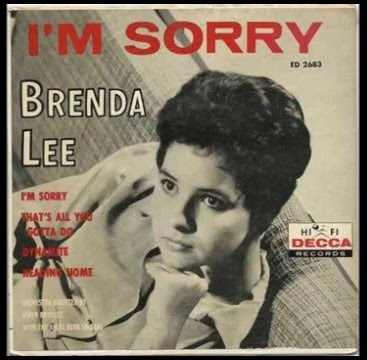
“I’m Sorry” (1960) Brenda Lee

Song found here. Lyrics found here. Chart history: Peaked at #1 on 7/8/1960.

Summary: At only 15, the lover resonated with mass audiences with her apologetic tune about being a fool to her former lover: “Please accept my apology but love is blind and I was too blind to see.” 

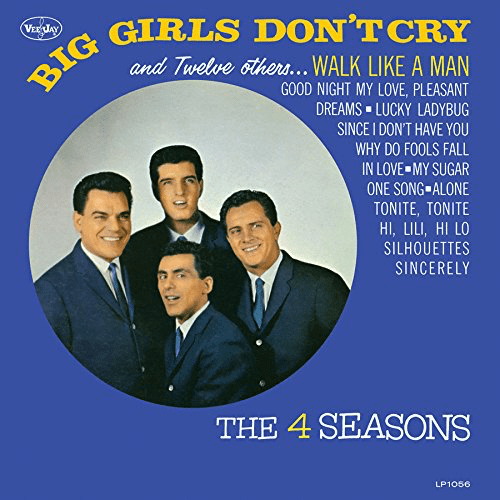
“Big Girls Don’t Cry” (1962) The Four Seasons 

Song found here. Lyrics found here. Chart history: Peaked at #1 on 11/17/1962.

Summary: In this falsetto-dominated song by the doo-wop group, the singer says that he ended a relationship and expected to be met with rebuke, but the woman instead told him that “big girls don’t cry.” 

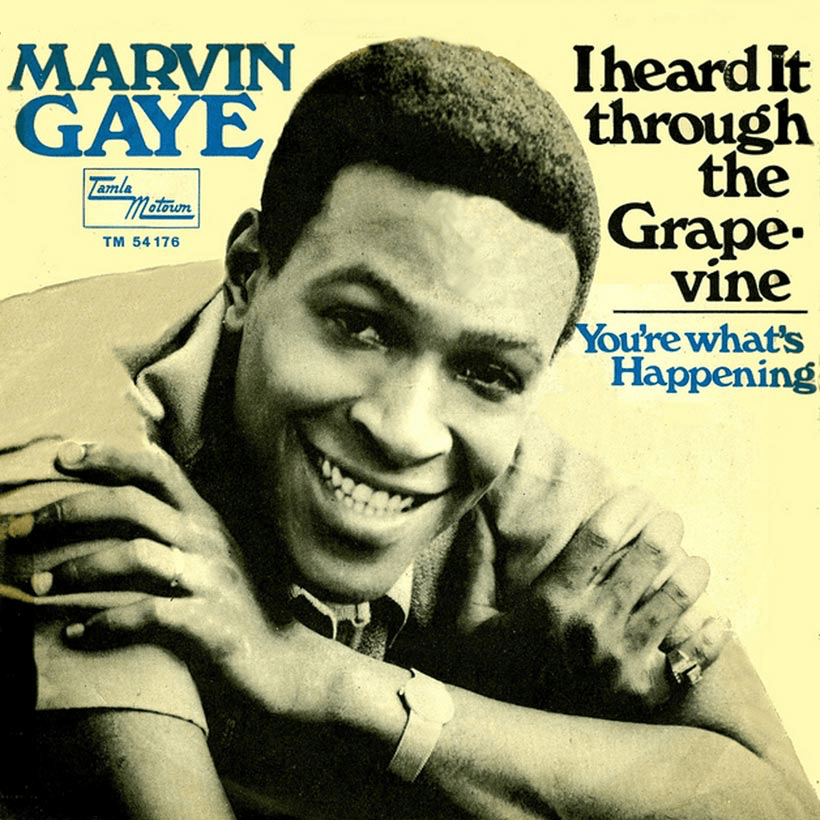
“I Heard It Through The Grapevine” (1968) Marvin Gaye

Song found here. Lyrics found here. Chart history: Peaked at #1 on 12/14/1968.

Summary: In this song, Marvin Gaye sings that he heard from an outside source that his lover is in love with another man, and expresses his fear of their relationship ending by singing “I know a man ain’t supposed to cry but these tears I can’t hold inside, losing you would end my life you see.”

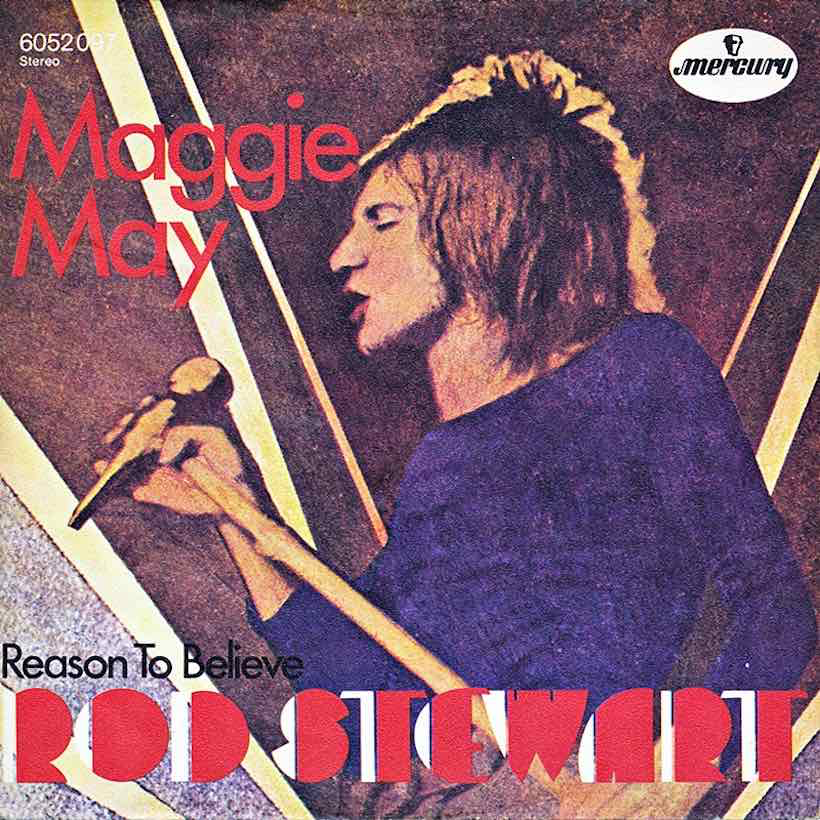
“Maggie May” (1971) Rod Stewart 

Song found here. Lyrics found here. Chart history: Peaked at #1 on 10/2/1971.

Summary: In this rock song, Stewart sings to Maggie, who is an older woman that uses the singer for sexual pleasure, while the singer is in love with Maggie and wishes that he was not, knowing that he has to get on with his life. Stewart sings that “he couldn’t have tried any more,” while Maggie stole his heart and soul. At the end, Stewart concludes, “Maggie, I wished I’d never seen your face.”

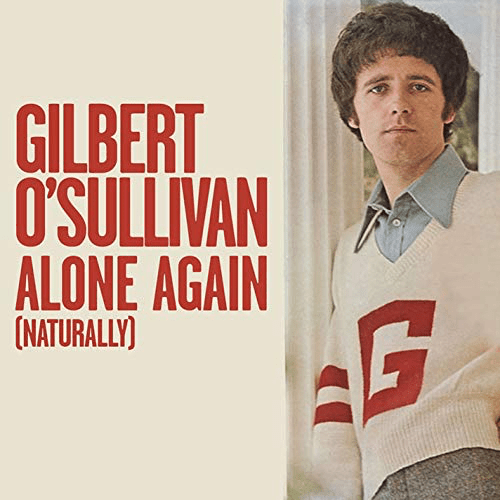
“Alone Again (Naturally)” (1972) Gilbert O’Sullivan

Song found here. Lyrics found here. Chart history: Peaked at #1 on 7/29/1972.

Summary: As the title notes, this song is a sad expression of feeling “alone again.” In the beginning of the song, the singer says that he is going to throw himself off a tower “in an effort to make it clear to whoever what it’s like when you’re shattered” after being left at the altar by his bride. He recalls how alone he felt when each of his parents died. 

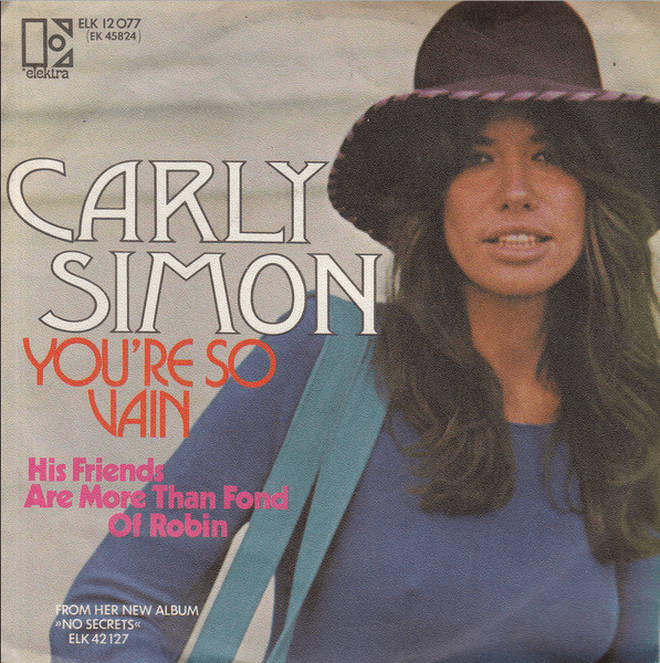
“You’re So Vain” (1972) Carly Simon

Song found here. Lyrics found here. Chart history: Peaked at #1 on 1/6/1973.

Summary: In this song, Carly Simon sings to a former lover that he is “so vain” that he probably thinks that she wrote this song about him. In telling the story of their romance, Simon sings that “you gave away the things you loved and one of them was me.” The sarcasm of the chorus is that she is obviously singing about him – she was left with unfulfilled dreams and now tracks his whereabouts – but characterizing him as self-obsessed makes him the bad guy. 

“I Will Survive” (1978) Gloria Gaynor

Song found here. Lyrics found here. Chart history: Peaked at #1 on 3/10/1979.

Summary: In this empowered anthem, Gloria Gaynor sings that when her lover left her, she was “petrified” that she could not live without him, but she eventually learned how to go on. After the breakup, she healed her emotional wounds: “I used to cry, but now I hold my head up high.”

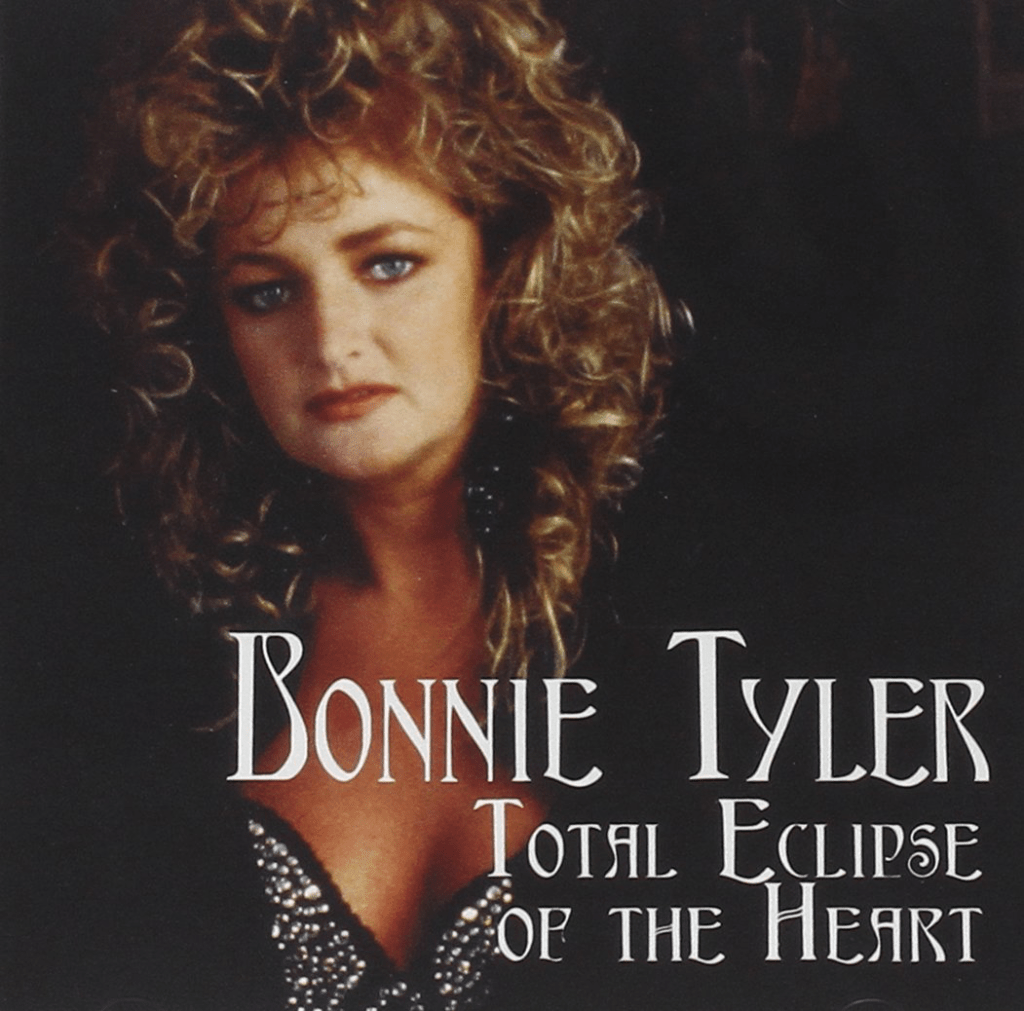
“Total Eclipse of the Heart” (1983) Bonnie Tyler

Song found here. Lyrics found here. Chart history: Peaked at #1 on 10/1/1983.

Summary: In this song, Bonnie Tyler sings about how “every now and then” she gets “a little bit” lonely, terrified, nervous, restless, helpless, and angry, and that she needs her lover to make her feel better. She needs the love to survive. At the end, she concludes: “once upon a time I was falling in love, now I’m only falling apart.” 

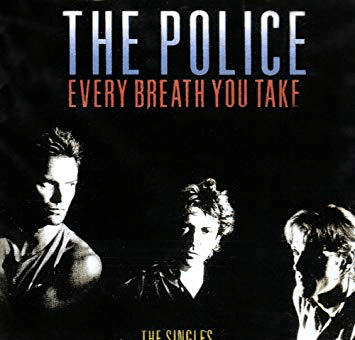
“Every Breath You Take” (1983) The Police

Song found here. Lyrics found here. Chart history: Peaked at #1 on 7/9/1983.

Summary: In this song, Sting sings that he is watching every single thing that his ex-lover is doing. He confesses “Since you’ve gone I’ve been lost without a trace, I dream at night I can only see your face.” With such a desire to be with her, he commits to watching her from afar (or, to use the correct term, stalking her). 

“Careless Whisper” (1985) Wham! Feat. George Michael 

Song found here. Lyrics found here. Chart history: Peaked at #1 on 2/16/1985.

Summary: In this song, George Michael is singing about his guilt and sadness for cheating on his lover, which causes her to leave him. He sings of the life that they could have had together that is no longer possible and wishes that she would stay with him. At the end, he asks “Now that you’re gone, was what I did so wrong, so wrong that you had to leave me alone?”

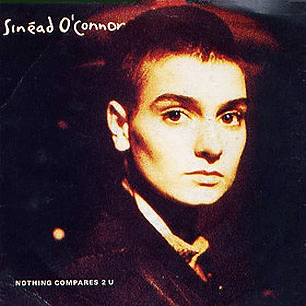
“Nothing Compares 2 U” (1990) Sinead O’Connor

Song found here. Lyrics found here. Chart history: Peaked at #1 on 4/21/1990.

Summary: The song begins with the lines “It’s been seven hours and fifteen days since you took your love away,” which expresses the message of the song, which is that O’Connor’s lover has left her with a broken heart. She has the freedom to do whatever she pleases, but she only wants to be with her former lover since nothing else can meet his level of perfection. 

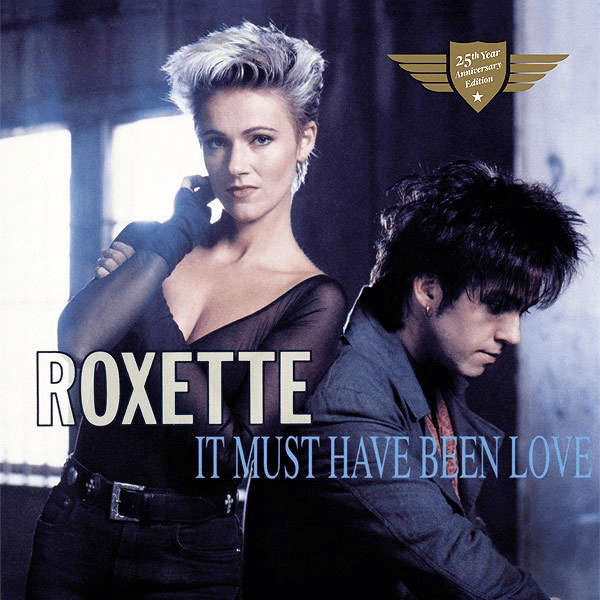
“It Must Have Been Love” (1990) Roxette 

Song found here. Lyrics found here. Chart history: Peaked at #1 on 6/16/1990.

Summary: The song does not say much more than “It must have been love but it’s over now.” The singer expresses that losing her lover made her realize how much their relationship meant to her. 

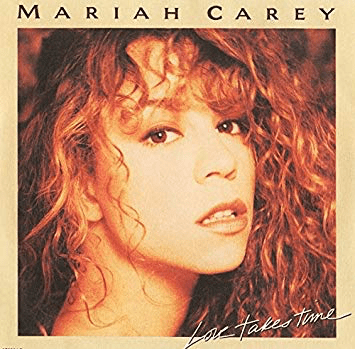
“Love Takes Time” (1990) Mariah Carey

Song found here. Lyrics found here. Chart history: Peaked at #1 on 11/10/1990.

Summary: Mariah Carey sings that she treated a lover poorly, so it is her fault that he left her. Now, she needs time to mend the wounds: “Love takes time to heal when you’re hurting so much.” She is alone in her pain and does not want to be. 
Sources 16-30

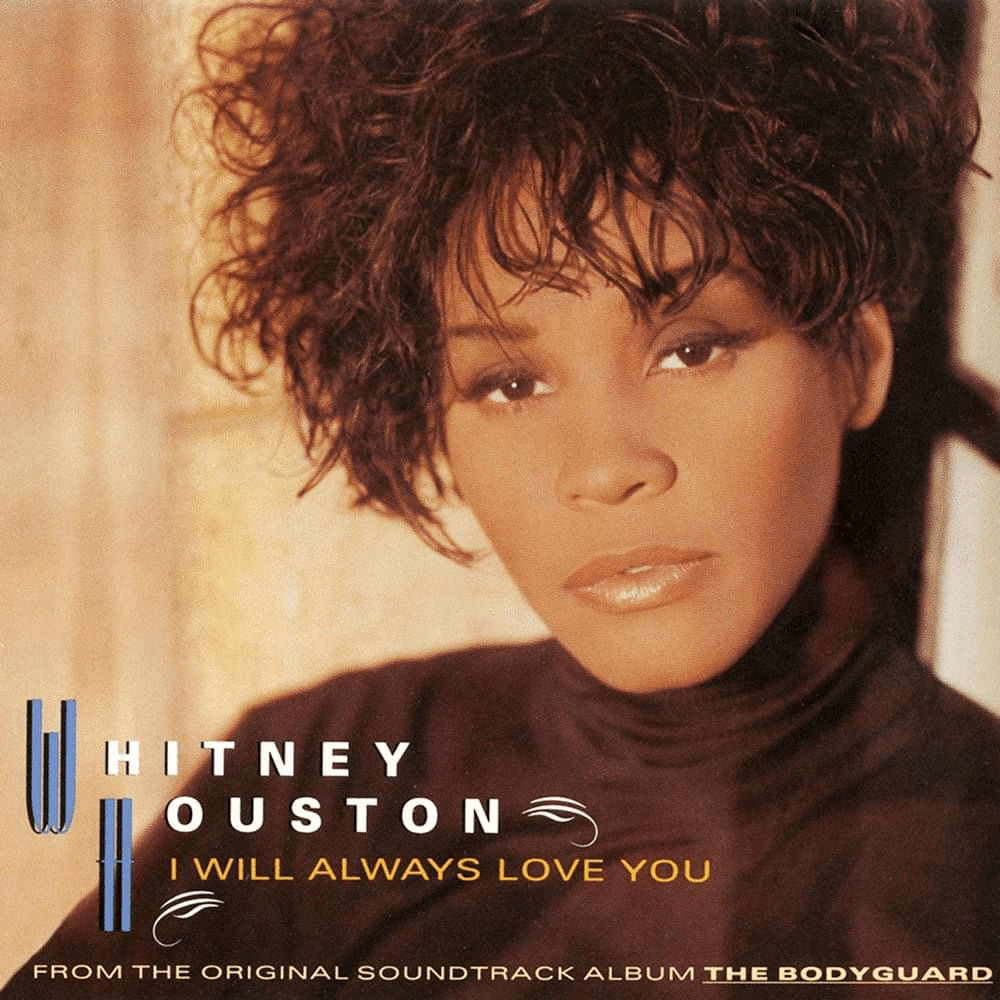
“I Will Always Love You” (1992) Whitney Houston

Song found here. Lyrics found here. Chart history: Peaked at #1 on 11/28/1992. 

Summary: Despite the title seemingly referring to an endless love, Whitney sings that she is holding her lover back and must leave them behind, despite that she feels she will love them forever. “Bittersweet memories, That is all I’m taking with me, So good-bye, Please don’t cry.” It is the end of their relationship, but her love will persist. 

“End Of The Road” (1992) Boyz II Men

Song found here. Lyrics found here. Chart history: Peaked at #1 on 8/14/1992.

Summary: In this song, the members of Boyz II Men ache over lost love. The first verses are addressed to the former lover, telling her that they belong together and said they would be together forever. In the chorus, the group sings “Although we’ve come to the end of the road, Still I can’t let go,” signifying that they are having a difficult time being without the person. 

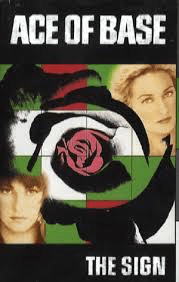
“The Sign” (1993) Ace Of Base

Song found here. Lyrics found here. Chart history: Peaked at #1 on 3/12/1994.

Summary: The song does not elaborate on what exactly the “sign” was, but the singer proclaims “I saw the sign and it opened up my mind! And I am happy now living without you.” It represents a realization that a significant other no longer makes them happy and choosing to end their relationship. 

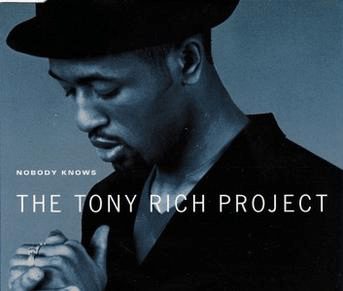
“Nobody Knows” (1995) The Tony Rich Project

Song found here. Lyrics found here. Chart history: Peaked at #2 on 3/23/1996.

Summary: In this song, Tony Rich sings about the pain he is suffering that “nobody knows” about. He wishes that he was honest about how he felt for the person and regrets not doing enough to ensure the survival of their love. 

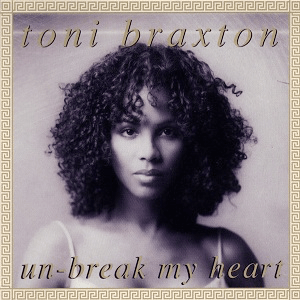
“Un-Break My Heart” (1996) Toni Braxton

Song found here. Lyrics found here. Chart history: Peaked at #1 on 12/7/1996.

Summary: In begging for her lover to come back, Toni sings that her pain can only be healed by her former lover. She describes the nights without him as “unkind” and her life as “cruel.”

“Foolish Games” (1997) Jewel

Song found here. Lyrics found here.  Chart history: Peaked at #2 on 4/19/1997.

Summary: Jewel sings of the things she used to love about this person: he used to do crazy things like stand out in the rain, dress fashionably but pretend not to care, and had brilliant “philosophies on art.” The verses that tell of the amazing characteristics about this person are juxtaposed with how he is now breaking her heart: “This is my heart bleeding before you, This is me down on my knees.” 

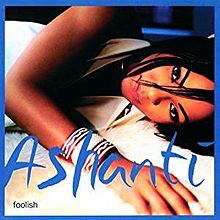
“Foolish” (2002) Ashanti

Song found here. Lyrics found here. Chart history: Peaked at #1 on 4/20/2002.

Summary: Ashanti describes leaving a toxic relationship in “Foolish.” She misses her lover when she is without him, but he treats her poorly and the emotional abuse is wearing her down. She hates herself for loving him because she knows he will never change. 

“Burn” (2004) Usher

Song found here. Lyrics found here. Chart history: Peaked at #1 on 5/22/2004. 

Summary: In this song, Usher tells himself that is best to leave his relationship behind and “let it burn.” He tells that deep down moving on is the right decision, but the love that he still has for the person is holding him back. By referring to himself as “you,” he is having a conversation with himself.   

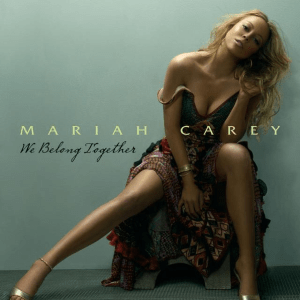
“We Belong Together” (2005) Mariah Carey

Song found here. Lyrics found here. Chart history: Peaked at #1 on 6/4/2005.

Summary: In this song, Mariah expresses regret for the rude things she said to her former lover and cannot believe that she is alone. She cannot escape her thoughts about the person and believe that they are destined to be together. She sings that “Baby, when you left, I lost a part of me.”

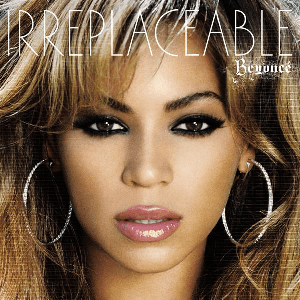
“Irreplaceable” (2006) Beyonce

Song found here. Lyrics found here. Chart history: Peaked at #1 on 12/16/2006. 

Summary: Despite the song title, Beyoncé is actually telling her lover how replaceable he is. She tells him to pack his bags and kicks him out of her house because he was unfaithful to her and she knows that she deserves better. 

“Apologize” (2006) Timbaland feat. OneRepublic

Song found here. Lyrics found here. Chart history: Peaked at #2 on 11/10/2007.

Summary: In the song, Ryan Tedder sings of being so deeply in love with a person that constantly mistreats him: “You tell me that you need me, then you go and cut me down.” He finally decides to stopforgiving her and refuses to accept her apology, with the chorus telling the person that “It’s too late to apologize.”

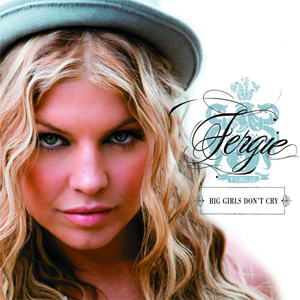
“Big Girls Don’t Cry (Personal)” (2007) Fergie

Song found here. Lyrics found here. Chart history: Peaked at #1 on 9/8/2007.

Summary: In this song, Fergie sings that she is committing to working on herself, so she must choose to be alone. She is still going to miss her former lover, but she decides that is in her best interest to let him go: “I’m gonna miss you like a child misses their blanket but I’ve got to get a move on with my life.” 

“Need You Now” (2009) Lady Antebellum 

Song found here. Lyrics found here. Chart history: Peaked at #2 on 3/20/2010.

Summary: In this country ballad, the Lady Antebellum vocalists miss their former lovers and decide to drunkenly call them late at night: “It’s a quarter after one, I’m all alone and I need you now.” The song is a desperate cry out to a former lover. 

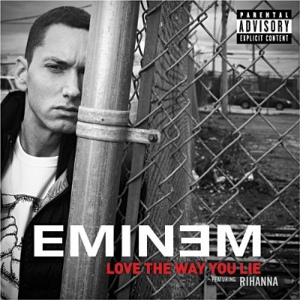
“Love The Way You Lie” (2010) Eminem feat. Rihanna 

Song found here. Lyrics found here. Chart history: Peaked at #1 on 7/31/2010. 

Summary: The rap song explicitly details a toxic, abusive relationship that neither party will leave. Rihanna asks her lover, “Just gonna stand there and hear me cry?” She then accepts the mistreatment: “Well, that’s alright because I love the way you lie.” 

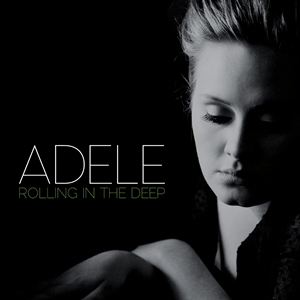
“Rolling In The Deep” (2010) Adele

Song found here. Lyrics found here. Chart history: Peaked at #1 on 5/21/2011.

Summary: In this anthem, Adele exclaims that her and her lover “could’ve had it all,” but he ruined their relationship. She warns him of the revenge she plans to pursue: “You’re gonna wish you never had met me.”

The Role of the Songwriter

Names in bold indicate songwriters that are also the performers of the song:


Song
ArtistSongwriters
“Smoke Gets In Your Eyes” The Platters Otto Harbach, Jerome Kern (originally written for Roberta)
“Cathy’s Clown”The Everly Brothers Don Everly, Phil Everly
“I’m Sorry”Brenda LeeDub Allbritten, Ronnie Self (originally performed by Self)
“Big Girls Don’t Cry”The Four SeasonsBob Crewe, Bob Gaudio (member of the Four Seasons)
“I Heard It Through The Grapevine”Marvin GayeNorman Whitfield, Barrett Strong (originally written for record label, first recorded by The Miracles)
“Maggie May”Rod Stewart Rod Stewart, Martin Quittenton
“Alone Again (Naturally)”Gilbert O’SullivanGilbert O’Sullivan
“You’re So Vain”Carly SimonCarly Simon
“I Will Survive”Gloria GaynorFreddie Perren, Dino Fekaris
“Total Eclipse of the Heart”Bonnie TylerJim Steinman
“Every Breath You Take” The PoliceSting (Member of the Police)
“Careless Whisper” Wham! Feat. George MichaelGeorge Michael, Andrew Ridgeley (Member of Wham!)
“Nothing Compares 2 U”Sinead O’ConnorOriginally written and recorded by Prince
“It Must Have Been Love” RoxettePer Gessle (member of Roxette)
“Love Takes Time” Mariah CareyMariah Carey, Ben Margulies
I Will Always Love You” Whitney HoustonOriginally written and recorded by Dolly Parton 
“End Of The Road” Boyz II MenKenneth “Babyface” Edmonds, L.A. Reid, Daryl Simmons
“The Sign” Ace Of BaseJonas Berggren (Member of Ace of Base)
“Nobody Knows”The Tony Rich ProjectTony Rich, Joe Rich, Don DuBose
“Un-break My Heart”Toni BraxtonDiane Warren
“Foolish Games” JewelJewel Kilcher
“Foolish” AshantiAshanti Douglas, Mark DeBarge, Etterlene Jordan, Irving LorenzoMarcus Vest
“Burn”UsherUsher, Jermaine Dupri, Bryan-Michael Cox
“We Belong Together” Mariah CareyMariah Carey, Jermaine Dupri, Manuel Seal, Johntá Austin
(Credits for interpolation: Kenneth Edmonds, Darnell Bristol, Bobby Womack, Patrick Moten, Sandra Sully)
“Irreplaceable” BeyonceShaffer “Ne-Yo” Smith, Mikkel S. Eriksen, Tor Erik Hermansen, Espen Lind, Beyoncé Knowles
“Apologize” Timbaland feat. OneRepublicRyan Tedder (Member of OneRepublic)
“Big Girls Don’t Cry”FergieStacy Ferguson (Also known as Fergie), Toby Gad
“Need You Now” Lady AntebellumHillary Scott, Charles Kelley, Dave Haywood (Members of Lady Antebellum) Josh Kear
“Love The Way You Lie” Eminem feat. RihannaEminem, Alex da Kid, Skylar Grey
“Rolling In The Deep” AdeleAdele Atkins, Paul Epworth

In looking at the lyrics, it is important to understand who actually wrote these songs. Studies have found that sad music induces pleasant emotions, provides psychological relaxation, and corrects a homeostatic imbalance, s0 record labels can capitalize on this by churning out songs such as these. One could then argue that the emotions experiences expressed in these songs are not genuine. However, the songwriting credits above do not support this claim. Out of these 30 songs, 20 of them give writing credit to the person that sings it. 4 of them are covers. This leaves only 6 songs that were originally given to the artists to record without any of them participating in the writing of its lyrics. Singing another person’s song does not mean that the artist had such an experience, but the majority of singers singing their own words legitimizes the authenticity of their emotional experiences.

Overlapping Word Use

One of the best methods to historically analyze emotional expression in language is to examine terms that are repeated. Some specific terms that are used widely across songs provide an insight into a common emotional experience.

Love makes you a “fool”

The word “fool” is not a popular term in modern vernacular. However, the term has become a lyrical archetype for the effect that love can have on people: love for another person makes you think irrationally and make imprudent decisions. The word “fool” carries strong weight: one can say that they their actions were stupid or crazy, but characterizing onself as a fool makes their poor decisions a part of their identity. 

In “I’m Sorry,” Brenda Lee sings, “I’m sorry, so sorry that I was such a fool.” In “Big Girls Don’t Cry,” the Four Seasons sing “Baby I’m a fool.” In “Maggie May,” Rod Stewart sings to his lover, “You made a first-class fool out of me.” In “Foolish Games,” Jewel sings “These foolish games are tearing me apart and your thoughtless words are breaking my heart.” Ashanti sings “so sad, so sad what love will make you do” in a song she decided to title “Foolish.” In “We Belong Together,” Mariah Carey sings, “I was foolish, I was lying to myself.” 

The presence of this term proves that foolishness has been an inherent part of the emotional response to breakups within the time frame I analyzed. Whether they are blaming themselves for treating a lover poorly or staying in a relationship they no longer enjoy, the constant use of the word “fool” communicates that a breakup usually involves someone feeling guilty and remorseful.

Love makes you “blind”

In music, seeing clearly or seeing in 20/20 equates perfect vision to perfect understanding, while blindness is used as a metaphor for clouded judgement. In “Smoke Gets in Your Eyes,” The Platters sing that “They said some day you’ll find all who love are blind.” In “I’m Sorry,” Brenda Lee confesses “But love is blind and I was too blind to see.” In “Maggie May,” Rod Stewart sings “But I’m as blind as a fool can be.” Finally, in “Love Takes Time,” Mariah Carey sings that she “couldn’t see that I was blind to let you go.” The recurrence of this term across many decades shows that another inherent part of the expression of heartbreak in this time frame is feeling as though a relationship distorted the person’s ability to make the right decision. This metaphor that “love is blind” is a proof of another cliché that “hindsight is 20/20,” or that people are not able to analyze a situation objectively until they are removed it. 

“Belonging”

Claiming possession of another person through the term “belong” can have a problematic connotation. In “Every Breath You Take,” in which Sting sings that he will always be watching his lost lover, he sings “can’t you see, you belong to me.” He is basically claiming ownership over this woman. The use of this word actually refers to mutual belonging in other cases, though. Boyz II Men sing in “End of the Road” “you belong to me, I belong to you,” which expresses that the two people have given themselves to each other, metaphorically. That song also uses the phrase “we belong together” and Mariah Carey’s song is titled “We Belong Together,” and this expression does not denote that one person has ownership over the other but rather that the two people are destined to be together. The change of the use of the word “belong” is in sync with an evolving perception of women in the United States, where our mainstream culture deems it politically incorrect for a man to treat a woman as his object. It is more acceptable today to say “you belong with me” than “you belong to me.”

Death

Finally, death is a common way to express a feeling of most extreme pain. In “Cathy’s Clown,” the Everly Brothers sing “I die each time I hear this sound.” In “Nobody Compares 2 U,” Sinead O’Connor sings that “All the flowers that you planted, mama, in the backyard, all died when you went away” In “End of the Road,” Boyz II Men sing, “pain in my head, oh, I’d rather be dead.” Finally, in “Nobody Knows,” Tony Rich sings “I’m dying inside and nobody knows it but me.” Death is the ultimate ending to human life, and it incorporates themes of sadness, grief, darkness, and nothingness. For this reason, it is no surprise that death is a common theme across decades of music. These songs express that losing a lover is emotionally comparable to the lover actually dying or themselves actually dying. 

The Question Mark

The following are questions asked in the songs:

“Don’t you think it’s kind of sad, that you’re treating me so bad? Or don’t you even care?” (“Cathy’s Clown,” The Everly Brothers)

“Do you plan to let me go for the other guy you loved before?” (“Heard it Through the Grapevine,” Marvin Gaye)

“Why did He [God] desert me in my hour of need?” (“Alone Again (Naturally)” Gilbert O’Sullivan)

“I’ll bet you think this song is about you, don’t you?” (“You’re So Vain,” Carly Simon)

“Did you think I’d crumble? Did you think I’d lay down and die?” (“I Will Survive,” Gloria Gaynor)

“Was what I did so wrong, so wrong that you had to leave me alone?” (“Careless Whisper,” WHAM!)

“You just don’t understand how much I love you do you?” (“End of the Road,” Boyz II Men)

How could a person like me care for you?” (“The Sign,” Ace of Base)

“What I gotta do now to get my shorty back?” (“Burn,” Usher)

“Who else am I gonna lean on when times get rough? Who’s gonna talk to me on the phone ’til the sun comes up? Who’s gonna take your place?” (“We Belong Together,” Mariah Carey)

“Can you call me back?” (“Need You Now,” Lady Antebellum)

“Just gonna stand there and hear me cry?” (“Love the Way You Lie,” Eminem and Rihanna)

Obviously, asking questions is a common device used in songs, but the common thread in these examples is that the singer has unanswered questions they want to ask their former lover, which solidifies the assumption that when two people end a relationship, one of the most constant emotions is confusion.

Categories
Uncategorized

Applying Gender Stereotypes

Of the 30 songs, 14 are performed by women, 12 by men, and 4 by both men and women, which represents an almost equal distribution between the two genders. Once again, however, it is important to consider who wrote the lyrics. Of my sources, the only song of 18 that a woman contributed to the writing of before Diane Warren’s writing of”Un-Break My Heart” in 1996 was Carly Simon’s 1971 hit “You’re So Vain.” Of the 68 songwriters that are credited (repeats included), only 12 of those credits are to females, which is only 18%. 8 of the 30 songs I looked at had a female writer, which is 27%. Historically, there is a clear disparity between whose songs record labels take seriously and who record labels commission to write songs. It is essential to keep in mind who is determining the emotional expressions in the lyrics, especially, in this case, when applying societal gender norms to those lyrics.

Male Stereotypes

Many argue that the toxic masculinity that exists in our patriarchal society teaches men that is not acceptable to express their emotions, specifically sadness. In a recent article published in the Atlantic titled “The Miseducation of the American Boy,” Peggy Orenstein writes “from the get-go, boys are relegated to an impoverished emotional landscape,” and while the definition of masculinity is changing, it is still being ingrained in the brains of boys that expressing pain (i.e. crying) is showing weakness. 

The source material argues that there are also forces pushing men towards expressing their sadness. The following songs are all sung by men. In “Cathy’s Clown,” the Everly Brothers sing, “When you see me shed a tear and you know that it’s sincere, don’t you think it’s kind of sad, that you’re treating me so bad?” In “Heard it Through the Grapevine,” Marvin Gaye sings “I know a man ain’t supposed to cry but these tears I can’t hold inside.” In “Every Breath You Take, Sting sings “I keep crying baby, baby, please.” In “End of the Road,” Boyz II Men sing, “When I can’t sleep at night without holding you tight. Girl, each time I try I just break down and cry.” In “Nobody Knows,” Tony Rich sings that “The pain is real even if nobody knows and I’m crying inside.” In “Burn,” Usher sings “I wanna break down and cry.”

Marvin Gaye’s verse even acknowledges that society tells men they should not cry. These confessional songs prove that men actually do cry and subverts the notion that that fact should be kept behind closed doors. In this case, music is actually bringing a common emotional experience to light that society has tried to hide.

Female Stereotypes

The female stereotype in our culture, though, is that women are overly emotional. They cry too much or they’re too hormonal or they’re irrational. While many of these songs do include women aching over lost love, there also many examples of women responding to a breakup with emotions other than sadness, which is not seen in any of our sources by male artists.

In The Four Seasons’ “Big Girl’s Don’t Cry,” they sing that they “thought that she would call my bluff but she said to my surprise ‘Big girls don’t cry,” which tells the story of a woman accepting a break up rather than crying, which surprises the man. In “I Will Survive,” Gloria Gaynor sings, “I used to cry, but now I hold my head up high.” In Gaynor’s song, she chooses to get over her sadness and become empowered. In “I Will Always Love You,” Whitney Houston sings that although she is leaving her lover, she wishes him “joy,” “happiness,” and “love.” In “Irreplaceable,” Beyoncé proudly tells the man she is breaking up with, “Baby, I won’t shed a tear for you.” In “Big Girls Don’t Cry” by Fergie, she tells her lover, “I’m gonna miss you like a child misses their blanket but I’ve got to get a move on with my life. It’s time to be a big girl now and big girls don’t cry.” Fergie is making the best decision for herself and acknowledges that she will miss the person, but she refuses to be sad. Finally, in “Rolling in the Deep,” Adele tells her lover, “Think of me in the depths of your despair. Make a home down there, as mine sure won’t be shared.” Adele wishes sadness on her former lover, but she herself is in control.

All of these examples are breakup songs that tell of a woman reacting to the end of her relationship not with tears but with acceptance and confidence. The final three examples by Beyoncé, Fergie, and Adele are 21st century hits, which is a reflection of the higher number of feminist anthems that are making it into the mainstream nowadays (though Gloria Gaynor’s proves that they have been around for decades, but were not as numerous). The success of this music is a reflection of the growing popularity of feminist/egalitarian values and the gradual breaking down of stereotypes that has been happening in recent years. These songs assert that a woman is perfectly capable of keeping her emotions in check and she surely is not more “emotional” than any man.

Recurring Themes

SongOverarching Theme
“Smoke Gets In Your Eyes” The pain of being left
“Cathy’s Clown”Pain of seeing an ex move on
“I’m Sorry”Personal regret
“Big Girls Don’t Cry” (Four Seasons)Big girls don’t cry
“I Heard It Through The Grapevine”Frustration with the other person
“Maggie May”Frustration with the other person 
“Alone Again (Naturally)”The pain of being left
“You’re So Vain”The pain of being left
“I Will Survive”The pain of being left / self-empowerment
“Total Eclipse of the Heart”The pain of a failed relationship ending
“Every Breath You Take” The pain of being left
“Careless Whisper” Personal regret
“Nothing Compares 2 U”The pain of being left
“It Must Have Been Love” The pain of being left
“Love Takes Time” Personal regret / the pain of being left
“I Will Always Love You” Leaving someone
“End Of The Road” The pain of being left
“The Sign” Leaving someone
“Nobody Knows”The pain of being left
“Un-break My Heart”The pain of being left
“Foolish Games” The pain of a failed relationship ending
“Foolish” The pain of a failed relationship ending
“Burn”Leaving someone
“We Belong Together” The pain of being left
“Irreplaceable” Big girls don’t cry / leaving someone
“Apologize” Leaving someone
“Big Girls Don’t Cry” (Fergie)Big girls don’t cry / leaving someone
“Need You Now” The pain of being left 
“Love The Way You Lie” The pain of a failed relationship ending
“Rolling In The Deep” The pain of a failed relationship ending

Assigning a single theme to each song is a very simplistic lens, but it is helpful for tracing the thematic trends of the most successful breakup songs over time. The majority of these songs express the pain of being broken up with, which makes perfect sense. However, the theme that becomes more common as time progresses is what I deemed “the pain of a failed relationship ending.” I distinguished this theme from “the pain being left” because these songs focus more on what each side did: the mistakes each made, the pain inflicted on one another, etc. Therefore, they are less one-sided than a lament over being dumped since they assert blame to both sides. I believe that this provides insight on a possible change in how people express heartbreak. I think that this is a reflection of the two sexes having more equal roles in a relationship as time goes on and therefore being more willing to share the blame.

Final Remarks

  1. Songs are an effective method for analyzing emotional expression over time, but have limiting factors that must be acknowledged.
  2. The commonalities between the songs reveal inherent parts of the emotional reaction to a breakup within this time frame.
  3. The subversion of gender stereotypes about emotions in music can break down those stereotypes and lead to more authentic emotional expression.
  4. The fact that there was such a tremendous gender gap in who wrote these lyrics was limiting for the research and is a systematic issue in the music industry.
  5. There is an upward trend in popular music of women expressing empowerment and individuals taking blame for a failed relationship.
Design a site like this with WordPress.com
Get started